Sleep Calculator 2026 — What Time Should I Go to Sleep & Wake Up? Find Your Perfect Sleep Schedule
📅 May 17, 2026
✍️ CalcZone Team
⏱️ 9 min read
👁️ 48,920 views
★★★★★
4.9/5 — Rated by 14,670 users
Sleep CalculatorWhat Time Should I Go To SleepBedtime CalculatorSleep Cycle CalculatorWake Up Time CalculatorHow Much Sleep Do I NeedREM Sleep CalculatorSleep Schedule CalculatorBest Time To Wake UpSleep Deprivation CalculatorSleep Calculator By AgeHealthy Sleep Calculator
📢 Google AdSense — 728×90 Banner
Ever wake up feeling completely exhausted even after a full night's sleep? Or go to bed early and still feel groggy in the morning? The secret isn't just how many hours you sleep — it's when you wake up within your sleep cycle. Our free sleep calculator tells you the exact best times to go to bed or wake up, based on the science of 90-minute sleep cycles — used by sleep experts and millions of Americans every day.
⚡ Quick Answer: To wake up at 7:00 AM feeling refreshed, you should go to sleep at 9:46 PM, 11:16 PM, or 12:46 AM — these are the times that align with complete 90-minute sleep cycles. Use our free calculator below for your personalized schedule!
😴 Free Sleep Calculator — Find Your Perfect Bedtime
Best Bedtimes for Your Wake-Up:
What is a Sleep Calculator?
A sleep calculator is a free online tool that uses the science of sleep cycles to determine the best times for you to go to sleep or wake up. Instead of just counting hours, it calculates times that align with the natural end of your 90-minute sleep cycles — so you wake up feeling refreshed instead of groggy.
This is the most searched health tool in America because poor sleep affects over 70 million Americans daily, according to the CDC. Knowing what time to go to sleep based on your wake-up time can dramatically improve how you feel every morning.
Every night, your brain moves through a repeating pattern of sleep stages, each complete cycle lasting approximately 90 minutes. A full night's sleep typically includes 4 to 6 complete cycles.
Stage 1
Light Sleep
1–7 min. Transition from wakefulness. Easy to wake up. Muscle twitches common.
Stage 2
Core Sleep
10–25 min. Body temp drops, heart rate slows. Sleep spindles appear. Memory consolidation begins.
Stage 3
Deep Sleep
20–40 min. Slow-wave sleep. Hardest to wake from. Body repair & immune system boost.
Stage 4
REM Sleep
10–60 min. Rapid Eye Movement. Vivid dreams. Critical for learning, mood & creativity.
✅ Key Insight: Waking up at the end of a complete 90-minute cycle (Stage 1 or 2) feels dramatically more refreshing than being jolted awake during deep sleep (Stage 3). This is exactly what our sleep cycle calculator optimizes for you.
How Much Sleep Do You Need? — By Age (CDC Guidelines)
The CDC and National Sleep Foundation recommend these sleep durations based on age. Our sleep calculator by age uses these exact guidelines:
Age Group
Recommended Sleep
Ideal Cycles
Risk if Deprived
👶 Newborn (0–3 mo)
14–17 hours
9–11 cycles
Development issues
🧒 Infant (4–11 mo)
12–15 hours
8–10 cycles
Growth disruption
🧒 Toddler (1–2 yr)
11–14 hours
7–9 cycles
Behavioral issues
👦 Child (6–13 yr)
9–11 hours
6–7 cycles
Learning impairment
🧑 Teen (14–17 yr)
8–10 hours
5–6 cycles
Mood disorders
👨 Adult (18–64 yr)
7–9 hours
5–6 cycles
Cardiovascular risk
👴 Senior (65+ yr)
7–8 hours
4–5 cycles
Cognitive decline
📢 Google AdSense — In-Article Ad (300×250)
Best Wake-Up & Bedtime Schedule — Quick Reference
Use this bedtime calculator chart to find your ideal sleep time if you need to wake up at a specific time (based on 6 sleep cycles + 14 min to fall asleep):
Wake-Up Time
6 Cycles (9h)
5 Cycles (7.5h)
4 Cycles (6h)
Recommended
⏰ 5:00 AM
7:46 PM
9:16 PM
10:46 PM
9:16 PM
⏰ 6:00 AM
8:46 PM
10:16 PM
11:46 PM
10:16 PM
⏰ 6:30 AM
9:16 PM
10:46 PM
12:16 AM
10:46 PM
⏰ 7:00 AM
9:46 PM
11:16 PM
12:46 AM
11:16 PM
⏰ 7:30 AM
10:16 PM
11:46 PM
1:16 AM
11:46 PM
⏰ 8:00 AM
10:46 PM
12:16 AM
1:46 AM
12:16 AM
⏰ 9:00 AM
11:46 PM
1:16 AM
2:46 AM
1:16 AM
10 Science-Backed Tips for Better Sleep Quality
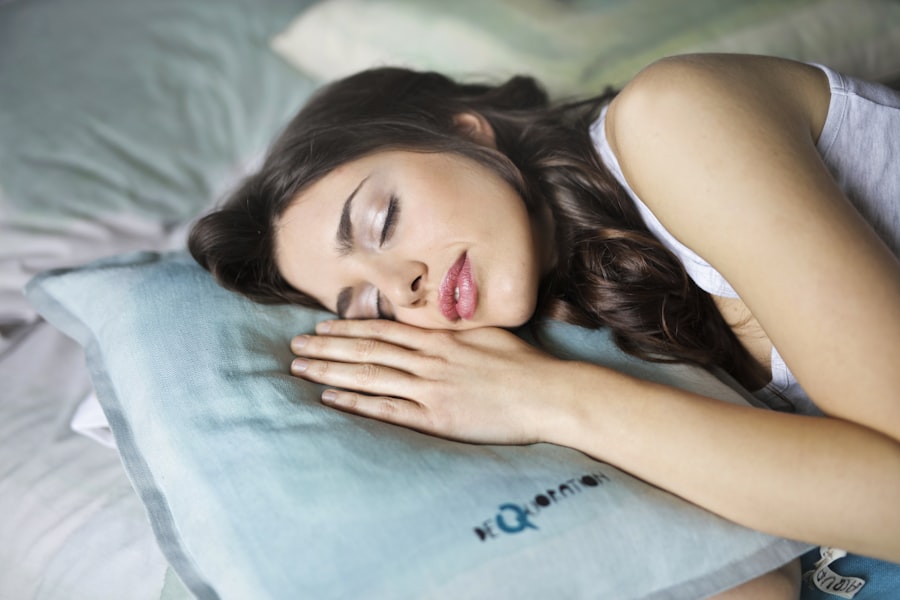
📸 A cool, dark, quiet bedroom is the foundation of quality sleep
🌡️
Keep Room at 65–68°F
Your body needs to drop its core temperature to fall asleep. A cool room speeds this up dramatically.
📵
No Screens 1 Hour Before Bed
Blue light from phones suppresses melatonin production by up to 50%, delaying sleep onset.
☀️
Get Morning Sunlight
10–30 minutes of morning sun resets your circadian rhythm and improves sleep quality that night.
⏰
Wake Up Same Time Daily
A consistent wake time — even on weekends — is the single most powerful sleep quality habit.
☕
No Caffeine After 2 PM
Caffeine has a 5–6 hour half-life. A 3 PM coffee still has 50% its caffeine in your system at 9 PM.
🏋️
Exercise — But Not Too Late
Exercise improves sleep quality by 65%. But exercising within 2 hours of bedtime can delay sleep onset.
🧘
4-7-8 Breathing Technique
Inhale 4 sec, hold 7 sec, exhale 8 sec. Activates parasympathetic nervous system in minutes.
🍷
Avoid Alcohol Before Bed
Alcohol suppresses REM sleep. Even one drink disrupts sleep architecture and reduces sleep quality.
📸 Sleep deprivation affects 70 million Americans — the hidden health crisis
⚠️ Sleep Deprivation Warning: According to the CDC, 1 in 3 Americans don't get enough sleep regularly. Chronic sleep deprivation (less than 6 hours) increases risk of heart disease by 48%, stroke by 15%, diabetes by 36%, and significantly impairs driving ability — comparable to a blood alcohol level of 0.08%.
Frequently Asked Questions — Sleep Calculator
What time should I go to sleep tonight? +
Your ideal bedtime depends on your wake-up time and how many sleep cycles you want. For a 7:00 AM wake-up: go to bed at 9:46 PM (6 cycles = 9 hrs), 11:16 PM (5 cycles = 7.5 hrs), or 12:46 AM (4 cycles = 6 hrs). The 5-cycle option (7.5 hours) is ideal for most adults. Use our free sleep calculator above to find your personalized bedtime instantly.
How much sleep do I need by age? +
According to the CDC and National Sleep Foundation: Adults (18–64) need 7–9 hours. Teenagers (14–17) need 8–10 hours. Seniors (65+) need 7–8 hours. School-age children (6–13) need 9–11 hours. These recommendations are based on research linking sleep duration to long-term physical and mental health outcomes.
Why do I wake up tired even after 8 hours of sleep? +
This classic problem is usually caused by waking up mid-cycle — specifically during deep sleep (Stage 3). When your alarm goes off during deep sleep, your brain experiences "sleep inertia" — that intense grogginess that can last 30–60 minutes. The solution: adjust your wake-up time to align with the end of a 90-minute cycle. Our sleep cycle calculator does this automatically.
Is 6 hours of sleep enough for adults? +
No — the science is clear. The CDC and American Academy of Sleep Medicine state that adults need at least 7 hours per night. People who routinely sleep 6 hours or less show measurable cognitive impairment equivalent to 2–3 nights of total sleep deprivation, significantly increased cardiovascular disease risk, weakened immune function, and higher rates of obesity and diabetes. Less than 1% of people have a genetic variant (DEC2 mutation) that allows them to thrive on 6 hours — and you almost certainly don't have it.
What is REM sleep and why does it matter? +
REM (Rapid Eye Movement) sleep is the final stage of each 90-minute cycle. During REM, your brain is nearly as active as when awake — processing emotions, consolidating memories, and fueling creativity. REM sleep gets longer with each cycle, meaning your last few hours of sleep contain the most REM. This is why cutting sleep short by 1–2 hours can eliminate 50–60% of your total REM sleep, dramatically affecting mood, learning, and emotional regulation the next day.
What is the best time to wake up for health? +
Research suggests waking between 6:00–7:30 AM aligns well with natural circadian rhythms and morning cortisol peaks, which help energize you naturally. However, the "best" wake-up time is highly individual — what matters most is consistency (same time every day) and waking at the end of a complete 90-minute sleep cycle. Use our wake-up time calculator to find your optimal time.